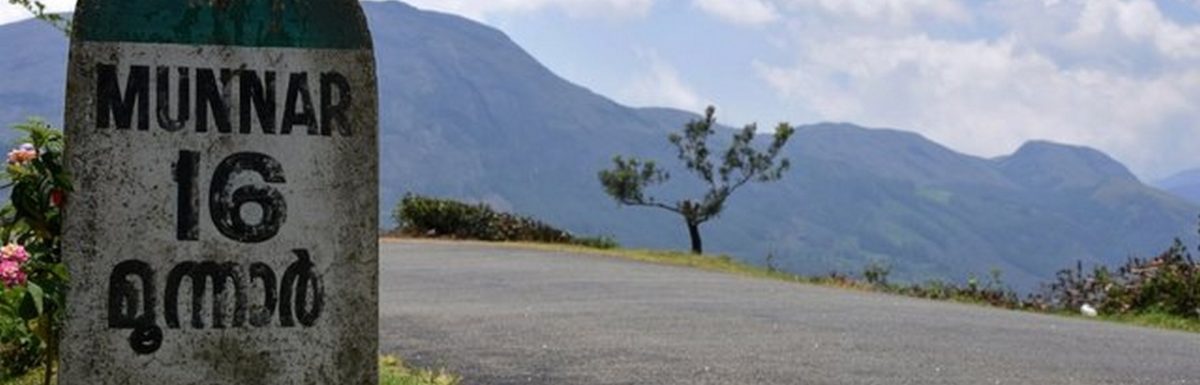
The best time to visit Munnar is generally October to February, when the weather is cooler and more comfortable for sightseeing, honeymoon trips, tea plantation visits and outdoor activities. November to February is particularly popular with travelers looking for pleasant days and chilly evenings.
However, Munnar is a year-round hill station, and every season offers a different experience. March to May is ideal for escaping the summer heat of India’s plains, while June to September brings mist-covered hills, lush tea plantations and dramatic waterfalls. Heavy monsoon rainfall can also disrupt road travel and outdoor activities.
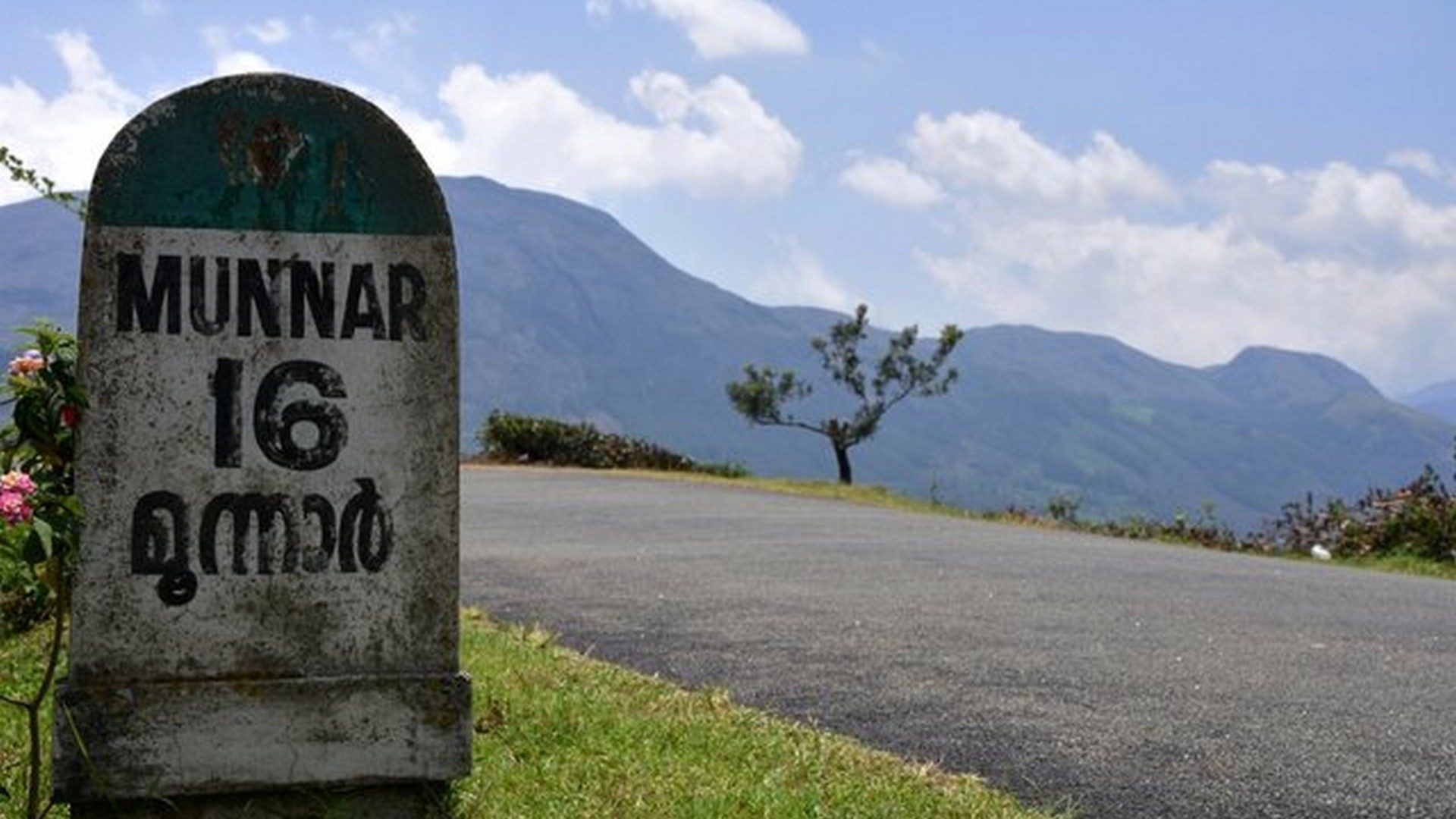
Whether you’re planning a romantic honeymoon, a family holiday, a trekking adventure or a budget-friendly getaway, this guide will help you choose the best month to visit Munnar based on weather, rainfall, tourist crowds and seasonal experiences.
ALSO SEE – Munnar Photos- Images of Attractions, Resorts & Scenic Views
Best Time to Visit Munnar: Weather, Seasons & Month-by-Month Guide
Munnar offers moderate to cold temperatures for most of the months and is thus best to visit all throughout the year. The experiences that you can grab in each month are surely different since nature makes its own magic in the heavenly space.
Note: Temperatures represent approximate average daily lows and highs. Rainfall figures are historical monthly averages, not forecasts; the blue bars show each month’s rainfall relative to the wettest month (June). Season classifications are indicative and may vary with holidays and weather. Weather data source: Climate-Data.org – Munnar.
Best Season to visit Munnar
Munnar enjoys a relatively cool climate throughout the year. December and January are among the coolest months, while March and April generally have the warmest average daytime temperatures. According to the monthly climate data, January and February are the driest months, each averaging about 31 mm of rainfall, while June is the wettest at approximately 434 mm. Actual conditions vary with elevation and weather patterns.
ALSO SEE – Munnar Itinerary for 2 Days-Must-Visit Places, Tips & Local Experiences
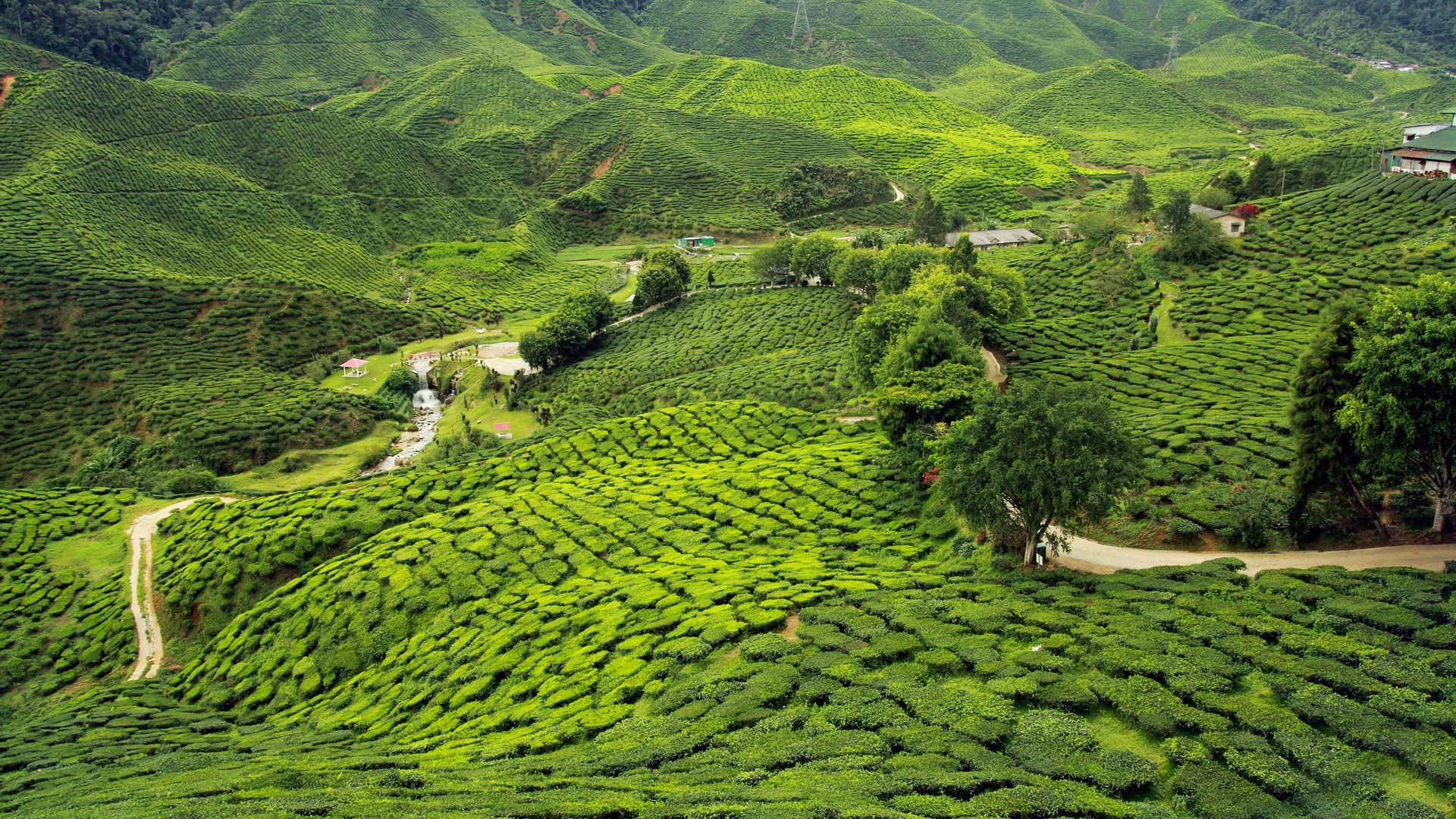
From March through May, temperatures in much of Kerala’s plains can become hot, while Munnar generally experiences average daytime highs of about 24-26°C. During the southwest monsoon from June to September, Munnar receives frequent heavy rainfall, with average daytime highs generally around 21-22°C.
Some people visit Kerala only to enjoy monsoons which is the best season for Ayurveda treatments as well because of the cold climate. Monsoons are, a favourite time to visit Gods own country.
ALSO SEE- Best Time to Visit Kerala for Ayurvedic Treatment
September to November brings lush green landscapes following the southwest monsoon. However, rainfall can continue during these months, particularly in October and November. Average daytime temperatures are generally around 22°C, although actual temperatures and sunshine vary with local weather conditions.
Munnar in Summer: March to May
While the plains of Kerala and Tamil Nadu heat up in summer, Munnar stays pleasant, with mild days and cool nights, which makes it one of South India’s most popular summer getaways. March, April and May make up the summer holiday season, with tourist demand often increasing during school vacations.
Munnar Weather in March
Temperature: 15-26 °C | Rainfall: about 72 mm | Season: Summer Holiday Season
March brings warm, sunny days and cool, comfortable nights to Munnar. Skies are mostly clear and rain is rare, so it’s one of the best times to visit Munnar. It’s a good month for sightseeing, outdoor photo shoots, nature walks and boating at Mattupetty and Kundala dams.
Munnar Weather in April
Temperature: 17-26 °C | Rainfall: about 165 mm | Season: Summer Holiday Season
April is the height of summer, but Munnar’s weather stays moderate. It’s usually one of the warmest months of the year, and pre-monsoon showers begin to arrive, often in the afternoon. It’s a lovely time to stay at a resort and explore the tea plantations around it. April is also good for trekking, nature walks and forest visits, and wild animals sometimes come out of the forests looking for water.
Munnar Weather in May
Temperature: 17-24 °C | Rainfall: about 256 mm | Season: Summer Holiday Season
May in Munnar is much cooler than the plains, which keeps it a favourite summer escape for families. Pre-monsoon showers become more frequent through the month, humidity rises, and the hills turn a deep green. Plan outdoor activities for the morning, when the skies tend to be clearer. If you’re a nature lover who enjoys drizzle and misty hills, May is a good time to pack your bags for Munnar.
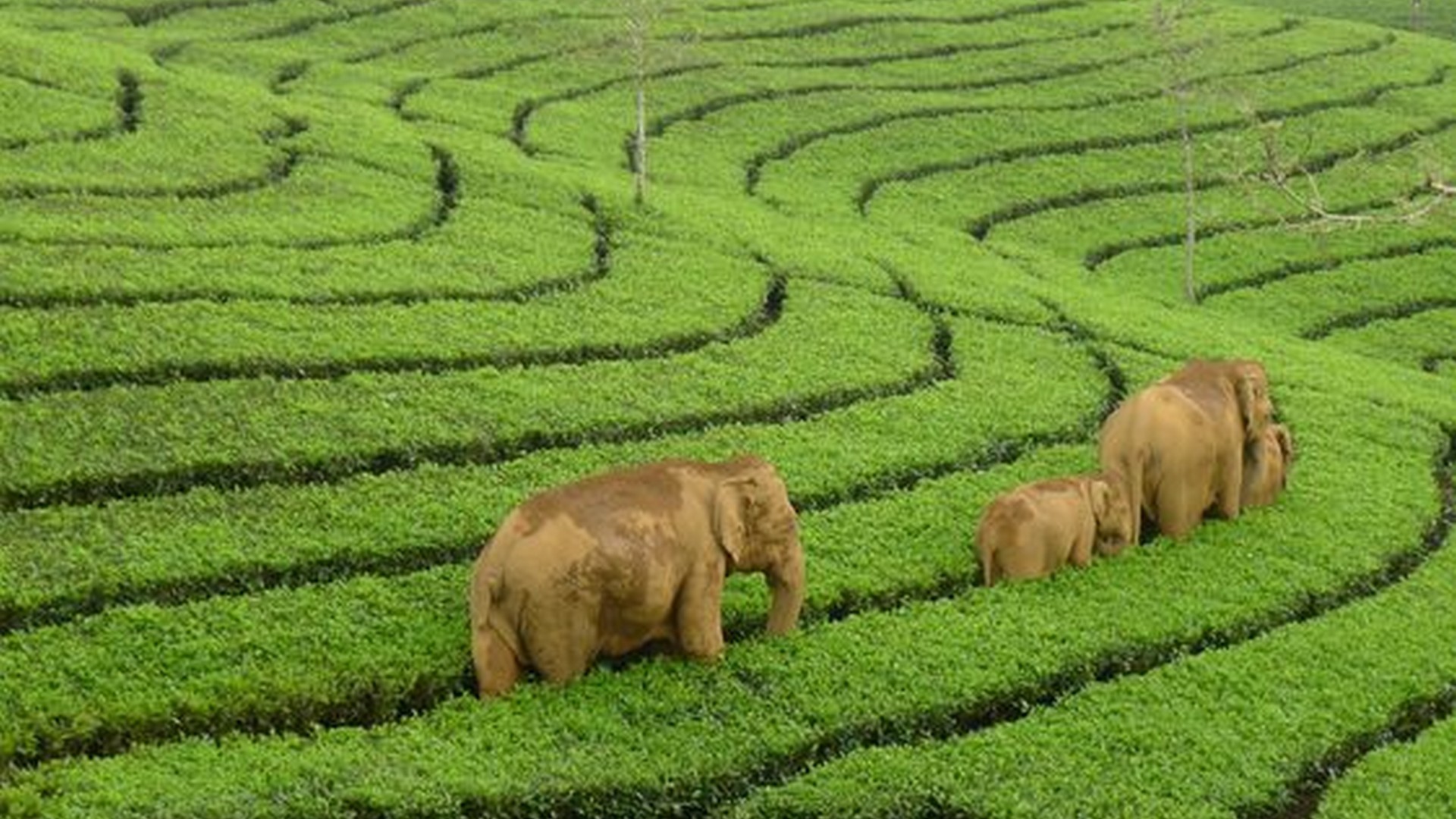
Munnar in Monsoon: June to September
The southwest monsoon brings heavy rain to Munnar from June to September, with temperatures of about 16-22 °C. The monsoon has a charm of its own here, with rain through the day, cool misty evenings and waterfalls at their fullest. June, July and August are low-season months, while September is the shoulder season.
ALSO SEE – Munnar in Monsoon- Weather, Safety & a Complete Guide
Munnar Weather in June
Temperature: 17-21 °C | Rainfall: about 434 mm | Season: Low
The monsoon arrives in Kerala and Munnar in early June, and June is usually the wettest month of the year in Munnar. Skies are cloudy, showers often last a long time, and some outdoor activities and treks may be limited. The nights are windy and cool. On the bright side, every waterfall in Munnar is at its best, and the air is full of the smell of fresh rain on dry earth.
Munnar Weather in July
Temperature: 16-21 °C | Rainfall: about 419 mm | Season: Low
July is one of the wettest months in Munnar, transforming the hills and tea plantations into lush green landscapes. However, heavy rainfall can cause poor visibility, slippery roads, landslides and travel disruptions. Visitors should check official weather warnings and local road conditions before travelling. Avoid unnecessary scenic drives and forest routes during heavy rain or weather alerts. When conditions are safe, a relaxing resort stay can be a good way to enjoy Munnar’s monsoon scenery.
Munnar Weather in August
Temperature: 16-21 °C | Rainfall: about 321 mm | Season: Low
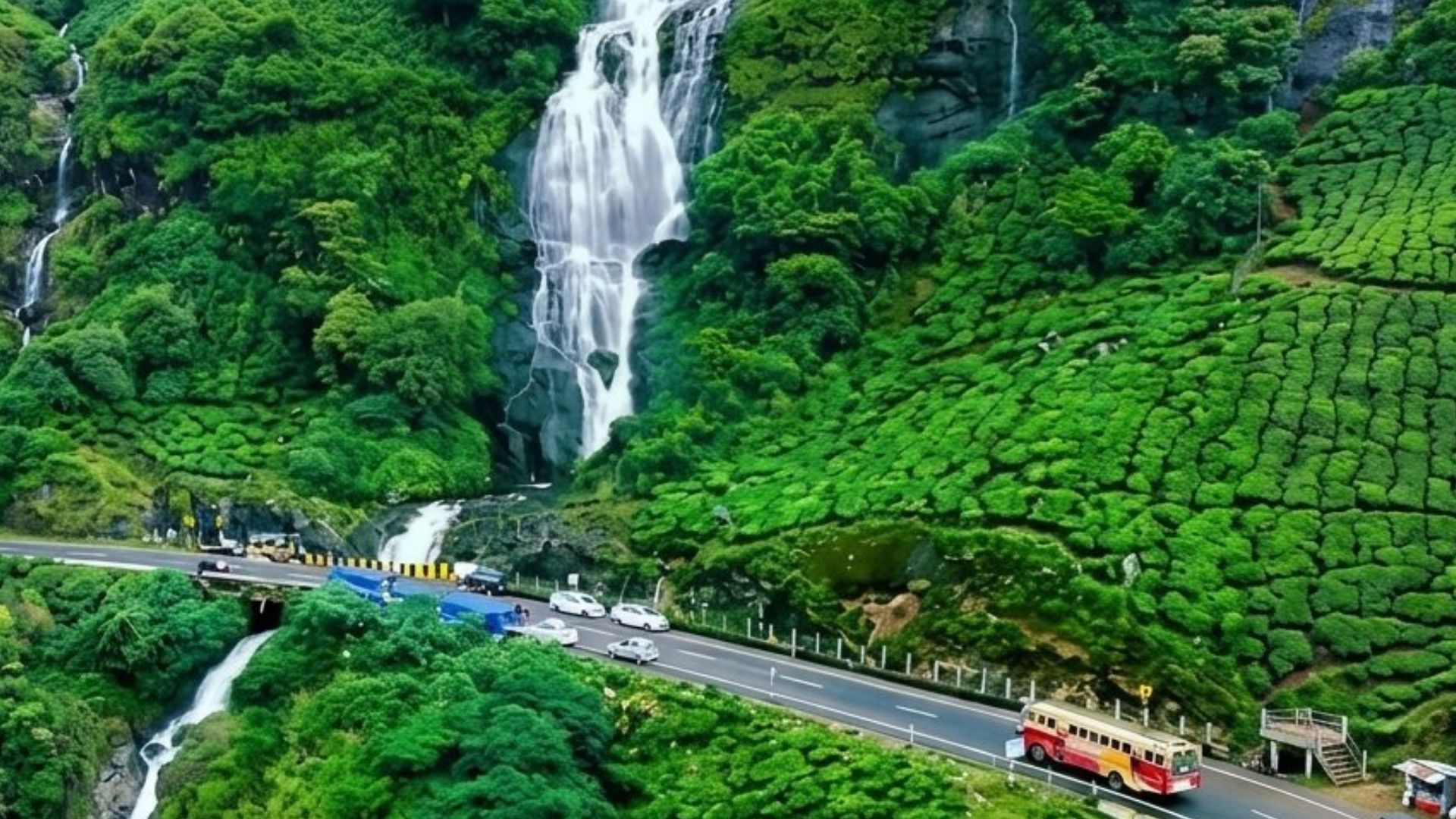
The monsoon continues through August, though the rain usually eases a little compared with June and July. Mist settles over the green tea gardens, streams run full and waterfalls pour down the mountain slopes. August is still the low season, so you may find off-season deals and discounted packages, even if you book at the last minute.
ALSO SEE – Top 8 Munnar Waterfalls
Munnar Weather in September
Temperature: 16-22 °C | Rainfall: about 229 mm | Season: Shoulder
The southwest monsoon gradually tapers off in September, though showers are still likely. The whole landscape is green after the rains, the waterfalls are still full, and the crowds are smaller. Many resorts still offer off-season rates before the peak season starts in October, which makes September a good-value time to visit Munnar.
Munnar in Winter: October to February
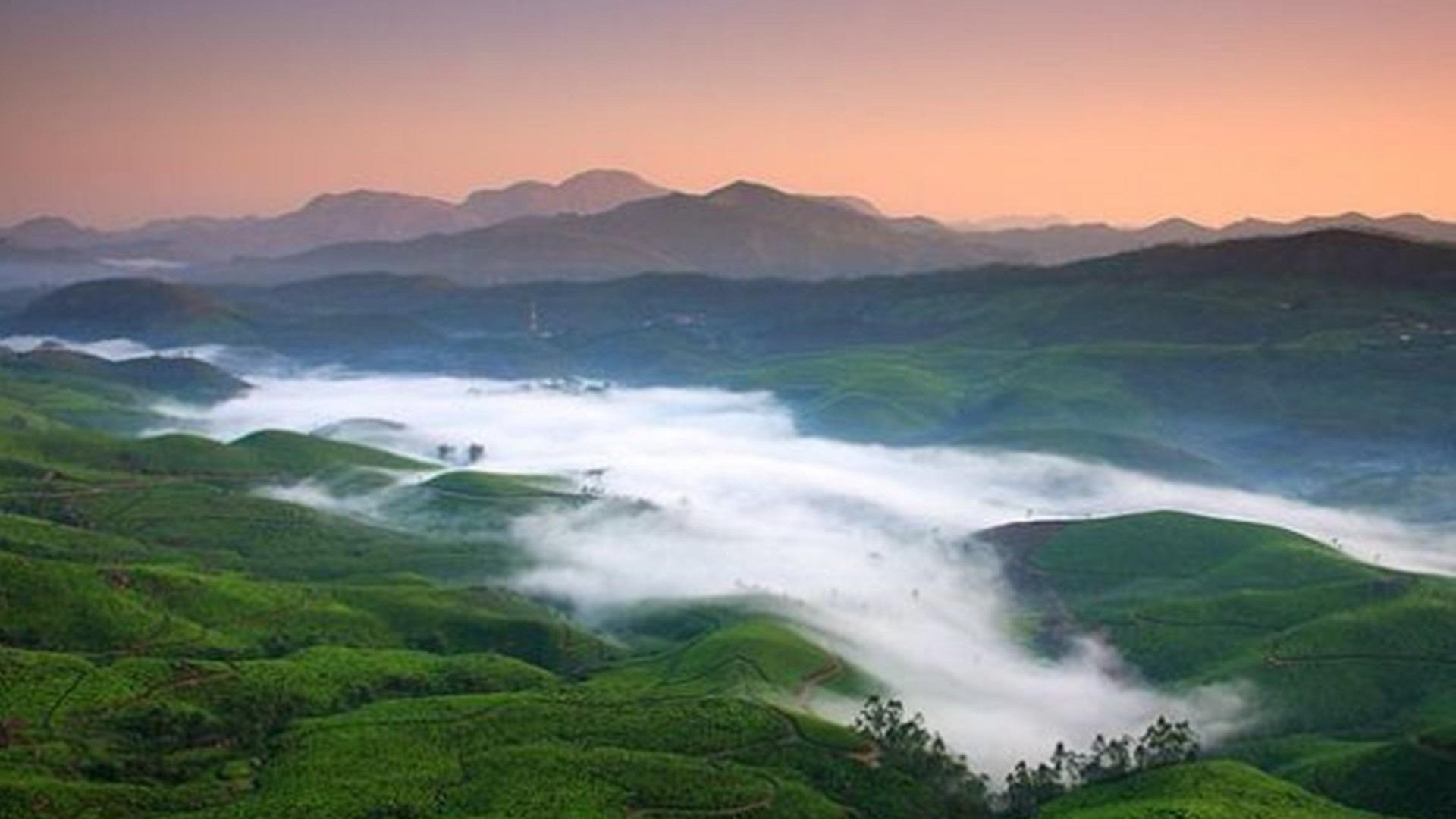
The main peak season in Munnar runs from October to February. From October onwards, the hill station remains lush after the monsoon, and winter sets in around November, lasting until February. The coldest nights can occasionally drop to around 10-11 °C. Hotel rates are often highest around Christmas and New Year, while prices during other peak-season weeks vary with demand. This is generally a favourable period for trekking and other adventure activities, subject to weather and trail access.
Munnar Weather in October
Temperature: 16-22 °C | Rainfall: about 338 mm | Season: Peak
October brings the northeast monsoon to Munnar, so expect rain, usually as afternoon and evening showers. Mornings are often bright and clear, and the hills look their greenest. Even with the rain, October is a popular month to visit and to go trekking in Munnar. Carry a light rain jacket and plan outdoor activities for the morning.
Munnar Weather in November
Temperature: 15-22 °C | Rainfall: about 277 mm | Season: Peak
In November the rain starts to ease and winter begins to set in. Days get pleasant and nights get noticeably cooler. It’s a good time for sightseeing, holidays and family trips, and the weather suits travellers of all ages. Some showers are still possible, especially early in the month.
Munnar Weather in December
Temperature: 14-22 °C | Rainfall: about 99 mm | Season: Peak
December is one of the busiest months in Munnar. Days are mild and comfortable for sightseeing, and the cool nights are perfect for honeymooners and families. Munnar is a lovely place to spend Christmas and New Year with family or friends, but hotel rates peak at this time, so book early.
ALSO SEE – Celebrate New Year In Kerala 2027-Top Places, Parties & Tips
Munnar Weather in January
Temperature: 13-23 °C | Rainfall: about 31 mm | Season: Peak
January is one of the coolest and driest months in Munnar. Days are sunny and pleasant, which makes sightseeing and boating comfortable. The cool sunsets are beautiful, and the crisp, breezy nights are perfect for bonfires. It’s one of the best times to visit Munnar, especially for honeymooners.
ALSO SEE – Munnar Honeymoon Tourist Places
Munnar Weather in February
Temperature: 14-25 °C | Rainfall: about 31 mm | Season: Peak
February is a lot like January, cool and mostly dry. Days are sunny and the evenings have a cool breeze, so it’s a great month for honeymooners, families and celebrations. Days start to warm up a little towards the end of the month. Note that Eravikulam National Park usually closes for part of February and March during the Nilgiri Tahr calving season. The dates are announced each year, so check before you plan a visit.
Peak Season, Off-Season, Crowds and Hotel Prices in Munnar
The tourist season in Munnar significantly influences hotel prices, crowds and the overall travel experience. Choosing the right season can help you enjoy pleasant weather, avoid crowded attractions and save money on accommodation.
Peak Season in Munnar (October to February)
October to February is the main tourist season in Munnar, thanks to its cool weather, mist-covered tea plantations and comfortable sightseeing conditions. December and January are particularly popular among honeymoon couples, families and holidaymakers.
During peak season, popular attractions such as Mattupetty Dam, Echo Point and Top Station can become crowded, especially on weekends and public holidays. Hotel and resort rates generally increase during Christmas and New Year, when demand is highest.
If you plan to visit Munnar during December or January, it is advisable to book your accommodation several weeks in advance. Travelling on weekdays and visiting popular attractions early in the morning can help you avoid the biggest crowds.
Summer Holiday Season in Munnar (March to May)
March to May is Munnar’s summer holiday season, when travellers from warmer parts of South India visit the hill station to escape the heat. Demand can be particularly high during school holidays and long weekends.
March generally has comfortable sightseeing weather, while April and May attract families looking for a cooler summer getaway. Hotel prices can rise during school vacations, so this period should not automatically be considered an inexpensive shoulder season.
Travellers looking for better-value accommodation during summer should compare weekday rates and avoid major holiday weekends where possible.
Shoulder Season in Munnar (September)
September is the shoulder season in Munnar, when the southwest monsoon begins to taper off and the landscape remains lush green. Tourist crowds are generally smaller than during the main winter season.
Many resorts may offer competitive rates before the peak season begins in October. However, rainfall can continue, so travellers should check weather forecasts and local conditions before planning outdoor activities.
Off-Season in Munnar (June to August)
June to August is generally the off-season in Munnar because of the southwest monsoon. Heavy rainfall, mist and occasional travel disruptions discourage many tourists from visiting during this period.
However, monsoon lovers can enjoy lush tea plantations, flowing waterfalls and misty mountain landscapes. Hotels and resorts may offer discounted packages, making the rainy season appealing to flexible, budget-conscious travellers.
Outdoor sightseeing, trekking and long-distance road trips can be difficult during heavy rainfall. Always check weather forecasts, road conditions and local advisories before travelling.
Best Time to Visit Munnar for Different Activities
The best time to visit Munnar depends on what you want from your trip. Use this quick guide to find the months that best suit your travel plans.
Note: These are broad planning recommendations rather than guaranteed weather or pricing conditions.
How Much Do Munnar Hotels Cost During Different Seasons?
Hotel prices in Munnar vary depending on the property, location, room category, weekends and holiday demand. December is often among the most expensive months, while better-value deals may be available during less busy periods.
For example, hotel comparison data from Trivago has listed typical nightly prices of approximately Rs. 4,771 in March and Rs. 6,076 in December. These are indicative market estimates rather than fixed hotel rates, and current prices should be checked before booking.
Travel Tip: For a good balance of weather, crowds and hotel prices, consider visiting Munnar in March or on weekdays during October and November. Summer school holidays and festival weekends can still be busy.
ALSO SEE – Which Area to stay in Munnar, Kerala?
When Should You Avoid Visiting Munnar?
Munnar is a beautiful hill station throughout the year, but certain months may not suit every traveller. The best time to visit Munnar depends on your interests, weather preferences and planned activities.
Avoid June to August if You Want Outdoor Sightseeing
The southwest monsoon brings heavy rainfall to Munnar between June and September, with June, July and August typically among the wettest months.
During heavy rain, trekking trails can become slippery, mountain roads may experience landslides or temporary restrictions, and thick mist can obstruct views from popular viewpoints.
Travellers planning extensive sightseeing, adventure activities or trips with elderly family members and young children may find the peak monsoon months less convenient.
However, these months are excellent for enjoying greenery and monsoon scenery from a safe, comfortable resort, provided local weather and road conditions permit travel.
Avoid Christmas and New Year if You Dislike Crowds
The second half of December and the beginning of January are among the busiest periods in Munnar.
Hotel prices can increase, popular resorts may sell out, and tourist attractions may experience queues and traffic congestion. Visitors seeking a quiet holiday on a limited budget may prefer dates outside the Christmas and New Year holidays.
Avoid April and May if You Prefer Very Cold Weather
April and May are popular with families escaping the summer heat in cities across South India. Although Munnar remains relatively cooler than the surrounding plains, daytime temperatures can feel warm, especially at lower elevations.
If you are travelling specifically to experience chilly mornings, cold evenings and winter-like weather, December and January are generally better choices.
Check Eravikulam National Park Closures in February and March
If visiting Eravikulam National Park is a major part of your Munnar itinerary, check its opening status before finalising your travel dates.
The park generally closes during part of February and March to protect the endangered Nilgiri Tahr during its calving season. Exact closure dates can vary.
Check the official Eravikulam National Park website for current information about opening dates and visitor access.
Our Recommendation: Avoid peak monsoon months if uninterrupted sightseeing is your priority, and avoid Christmas and New Year if you want lower hotel prices and fewer crowds. Munnar can still be enjoyable in every season when your activities match the weather.
Munnar packing list by Season
Packing the right clothes and travel essentials can make your Munnar holiday more comfortable. The hill station experiences cool winter mornings, pleasantly warm summer days and frequent rainfall during the monsoon.
Since weather conditions can change quickly in the mountains, carrying an extra layer of clothing and basic rain protection is useful even outside the rainy season.
The following table will help you pack according to the season.
Note: Weather in Munnar can change quickly, particularly at higher elevations. Carry suitable rain protection and warm clothing regardless of the season.
Additional Packing Tips for Munnar
Whether you are visiting Munnar for a honeymoon, family vacation or adventure trip, a few additional essentials can make your journey easier.
- For Honeymoon Couples: Carry warm clothing for romantic evenings, comfortable footwear for tea garden walks and a camera for photographs.
- For Families with Children: Pack extra clothes, light jackets, snacks and basic first-aid supplies.
- For Trekking Enthusiasts: Bring shoes with good grip, a reusable water bottle, rain protection and any required permits. Follow local forest safety instructions.
- For Monsoon Travellers: Carry waterproof protection for mobile phones, essential medicines and extra clothing. Leech socks may be useful on permitted forest trails.
Final Packing Advice: Even if you visit Munnar during summer, carrying at least one light jacket is recommended. The weather can be significantly cooler in the early morning, at night and at higher elevations.
Frequently Asked Questions About Visiting Munnar
1. Which month is best to visit Munnar?
December and January are among the best months to visit Munnar because of the cool, pleasant weather, making them ideal for sightseeing, honeymoons and exploring tea plantations. October to February is generally the best period to visit Munnar.
2. Which is the coldest month in Munnar?
January is generally one of the coldest months in Munnar, along with December. Night temperatures can drop to around 10°C or lower in some areas, especially at higher elevations. Carry warm clothing if you visit during winter.
3. Is Munnar worth visiting in June or July?
Yes, Munnar is worth visiting in June or July if you enjoy monsoon scenery, mist-covered hills, lush tea plantations and waterfalls. However, these months receive heavy rainfall, which can cause landslides, slippery roads and sightseeing disruptions. Check weather warnings before travelling.
4. What is the cheapest time to visit Munnar?
June to September is generally the cheapest period to visit Munnar because it coincides with the monsoon and lower tourist demand. Many hotels and resorts may offer discounted rates, although prices vary during weekends and holidays.
5. Is December a good time to visit Munnar for a honeymoon?
Yes, December is one of the best months for a honeymoon in Munnar. Cool evenings, misty hills, scenic tea plantations and romantic resorts make it popular among couples. However, Christmas and New Year are busy periods, so booking accommodation early is advisable.
6. How many days are enough to explore Munnar?
Two to three days are usually enough to explore Munnar’s main attractions, including tea plantations, Mattupetty Dam, Echo Point, Top Station and Eravikulam National Park when it is open. A four-day trip is better if you want a relaxed holiday or additional trekking and nature experiences.


Leave a Reply