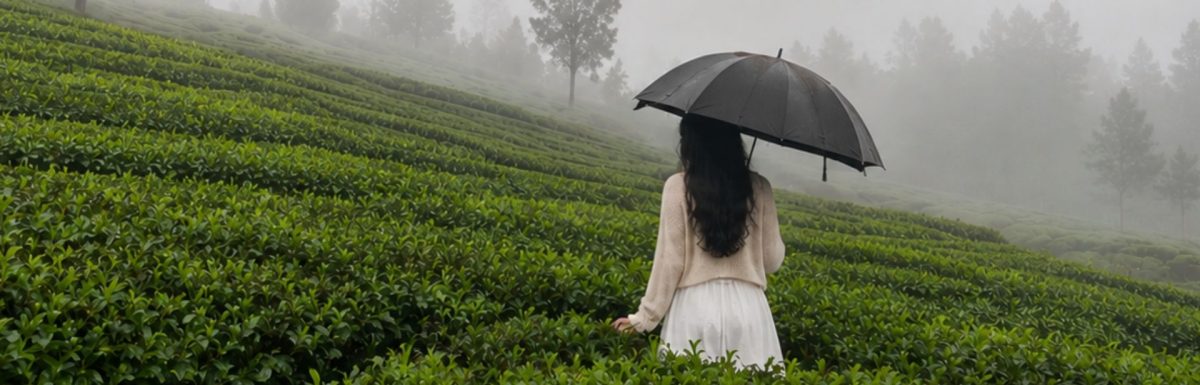
Munnar in monsoon is ideal for nature lovers, photographers, couples and travellers who enjoy misty scenery, waterfalls and fewer crowds. It may not suit visitors who want clear views, fixed outdoor plans, long treks or easy road travel. September is generally one of the more convenient monsoon months
because rainfall often begins to ease while the hills remain green and visitor
numbers stay relatively low.
Last reviewed: 4 August 2026
Weather, seasonal and attraction-access information in this guide was checked against official Kerala Tourism, India Meteorological Department, Kerala State Disaster Management Authority and Eravikulam National Park resources. Conditions can change quickly, so travellers should verify current advisories before leaving.
Munnar in Monsoon- Is it worth the visit?
✔ Monsoon runs from June to September in Munnar
✔ Temperatures generally remain cool during the rainy season
✔ Waterfalls are often fuller and more dramatic after sustained rainfall
✔ Generally fewer tourists and potentially lower accommodation rates
✔ Some treks, attractions and roads may be inaccessible
✔ Best for photography, nature lovers and quiet escapes
When is Monsoon Season in Munnar?
The main monsoon season in Munnar lasts from June to September. During this period, the southwest monsoon brings frequent rain, mist and cool weather to the hill station. Rainfall is generally strongest in June and July, continues through August and begins to ease in September.
Munnar may also receive rain from the northeast, or retreating, monsoon between October and December. However, this period is different from the main southwest monsoon. October falls within the northeast monsoon period and may bring intermittent rain. Visibility and the frequency of clear spells vary from year to year.
Munnar in Monsoon by Month
| Month | Season and Rainfall | Best For |
|---|---|---|
| June | Southwest monsoon begins, with frequent heavy rainfall. | Waterfalls, solitude and photography |
| July | Usually one of the wettest months in Munnar. | Dramatic scenery and misty valleys |
| August | Frequent rain continues, although conditions can vary. | Fuller waterfalls, cool weather and lush tea estates |
| September | Rainfall generally begins to ease. | Green scenery, lighter showers and potentially better visibility |
| October to December | Retreating or northeast monsoon influence. | Intermittent rain and gradually improving visibility |
For travellers who want lush landscapes but prefer to avoid the heaviest rain, September is generally one of the more convenient monsoon months to visit Munnar. Weather in the hills can change quickly, so check the latest IMD Kerala forecast and Kerala State Disaster Management Authority advisories before travelling.
Why Visit Munnar During the Monsoon?
Munnar takes on a different character during the monsoon, with mist-covered hills, fuller waterfalls and intensely green tea plantations.
Here are some reasons travellers choose to visit Munnar during the monsoon:
- The hills and tea plantations become intensely green after the rain.
- Seasonal streams and waterfalls often become fuller and more dramatic.
- Mist frequently moves across the tea gardens and valleys, creating
atmospheric views. - Tourist crowds are generally lower than during the busiest winter months.
- Accommodation rates may be lower, although prices vary by property and
travel date. - The quiet, misty atmosphere may appeal to couples, photographers and solo
travellers. - Fresh local tea can be especially enjoyable during cool, rainy weather.
| Why Monsoon Works | What to Be Ready For |
|---|---|
| ✓ Munnar looks especially green | ⚠ Roads may be affected by landslides or fallen debris |
| ✓ Waterfalls often become fuller and more dramatic | ⚠ Trekking routes may be restricted |
| ✓ Mist creates dramatic scenery | ⚠ Outdoor plans may change quickly |
| ✓ Tourist numbers are generally lower | ⚠ Leeches may be present on wet forest trails |
| ✓ Hotel rates may be lower | ⚠ Fog can block views from popular viewpoints |
| ✓ Tea estates look especially lush | ⚠ Attraction access may depend on the weather |
What Munnar Actually Looks Like in Monsoon
If you have only seen photos of Munnar during the peak tourist season, the monsoon landscape may surprise you. The hills become intensely green, while clouds and mist can temporarily hide entire valleys and viewpoints. Waterfalls such as Attukal and Lakkam Waterfalls often become fuller during this period. Cheeyappara and Valara Waterfalls may also look dramatic following periods of sustained rainfall.
What to Do in Munnar During Monsoon
1. Walk Through the Tea Gardens
Munnar’s tea estates look especially lush after the rain, with mist often moving across the rows of tea bushes. A slow morning walk can be an enjoyable way to experience the landscape when the weather is mild.
Some estates offer guided visits that explain how tea is grown, harvested and processed. Access to high-altitude locations such as Kolukkumalai can depend on road and weather conditions, so confirm availability with the operator before travelling.
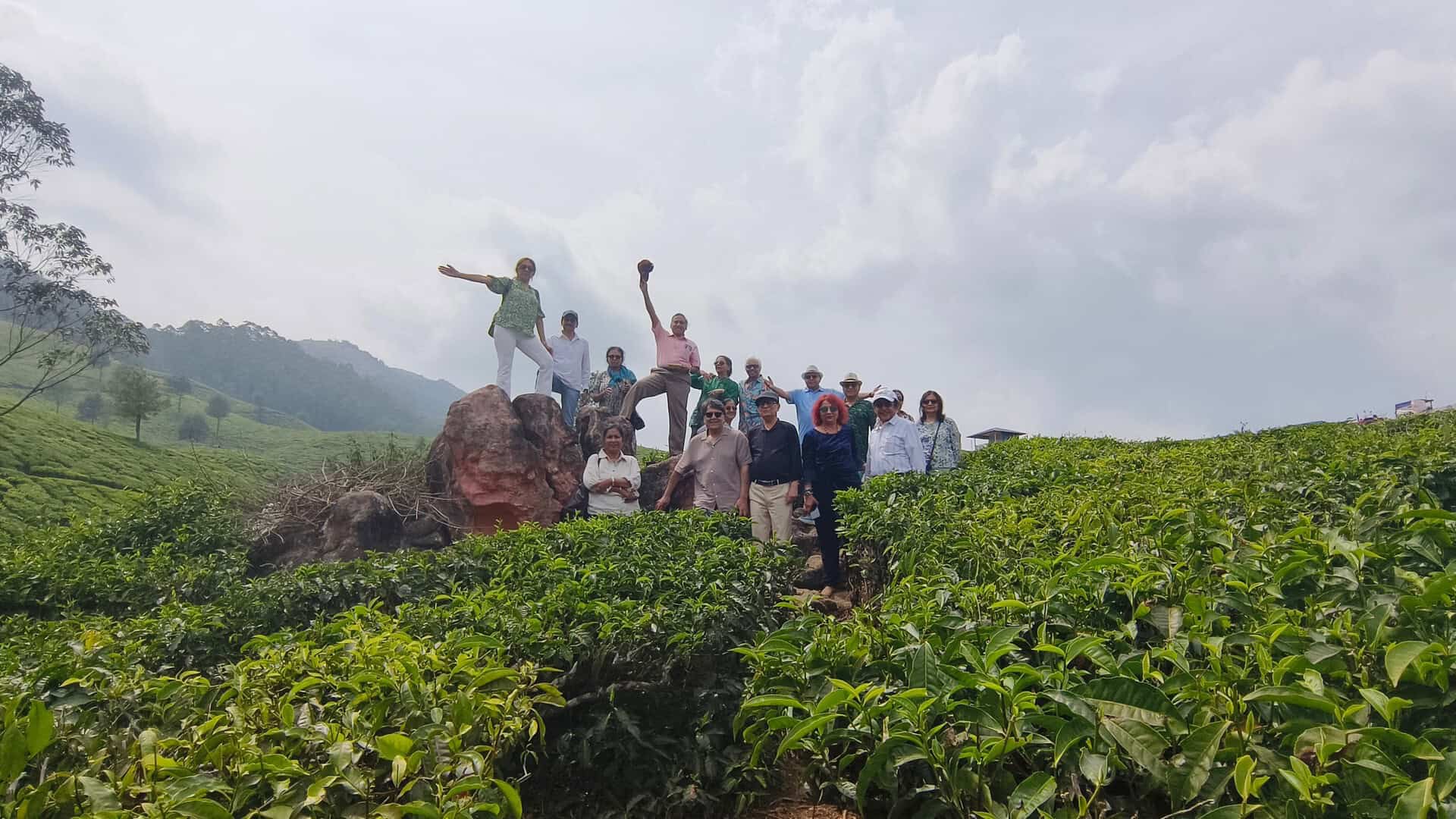
Stay on authorised paths, follow estate instructions and avoid entering private plantation areas without permission. Wear footwear with a strong grip because paths can remain wet and slippery after rain.
ALSO READ- Best Things To Buy in Munnar (With Local Recommendations)
2. Visit the Waterfalls
Waterfalls around Munnar often become fuller during the monsoon. Well-known waterfalls in and around the Munnar region include Attukal, Lakkam, Nyayamakad, Cheeyappara and Valara. However, accessibility and water flow depend on recent rainfall, road conditions and local restrictions.
Morning visits may offer softer light and fewer visitors, but good visibility is not guaranteed. Check the weather and attraction status before leaving.
Three options to consider are:
- Attukal Waterfalls: Surrounded by green hills and suitable for scenic views when access is open.
- Lakkam Waterfalls: A popular photography stop where conditions may become slippery after rain.
- Nyayamakad Waterfalls: A scenic natural attraction whose accessibility may depend on the weather.
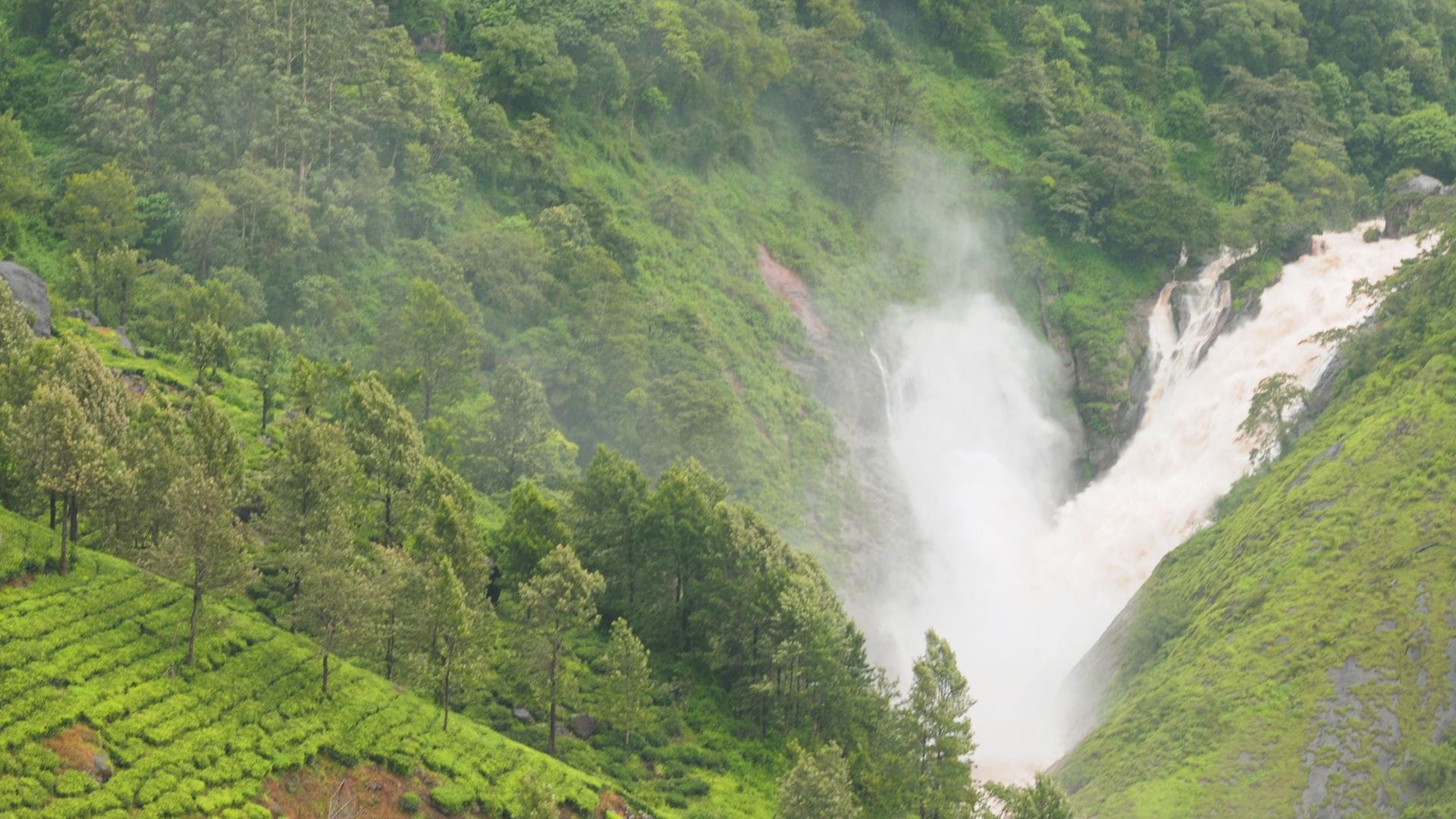
Carry a raincoat and wear shoes with a strong grip. Follow barriers and local instructions, and never approach swollen streams, waterfall edges or slippery rocks for photographs. Some roadside waterfalls may remain accessible, but conditions can change quickly after heavy rain.
3. Go Trekking and Nature Walking
Munnar’s misty hills and rain-soaked landscapes can appeal to adventure enthusiasts during the monsoon. Short nature walks and guided trails may be possible when the weather is mild and the routes are officially open. However, remote forest treks, steep paths and unguided trails should be avoided during heavy rain because the ground can become slippery, visibility may be poor and
access can change without notice.
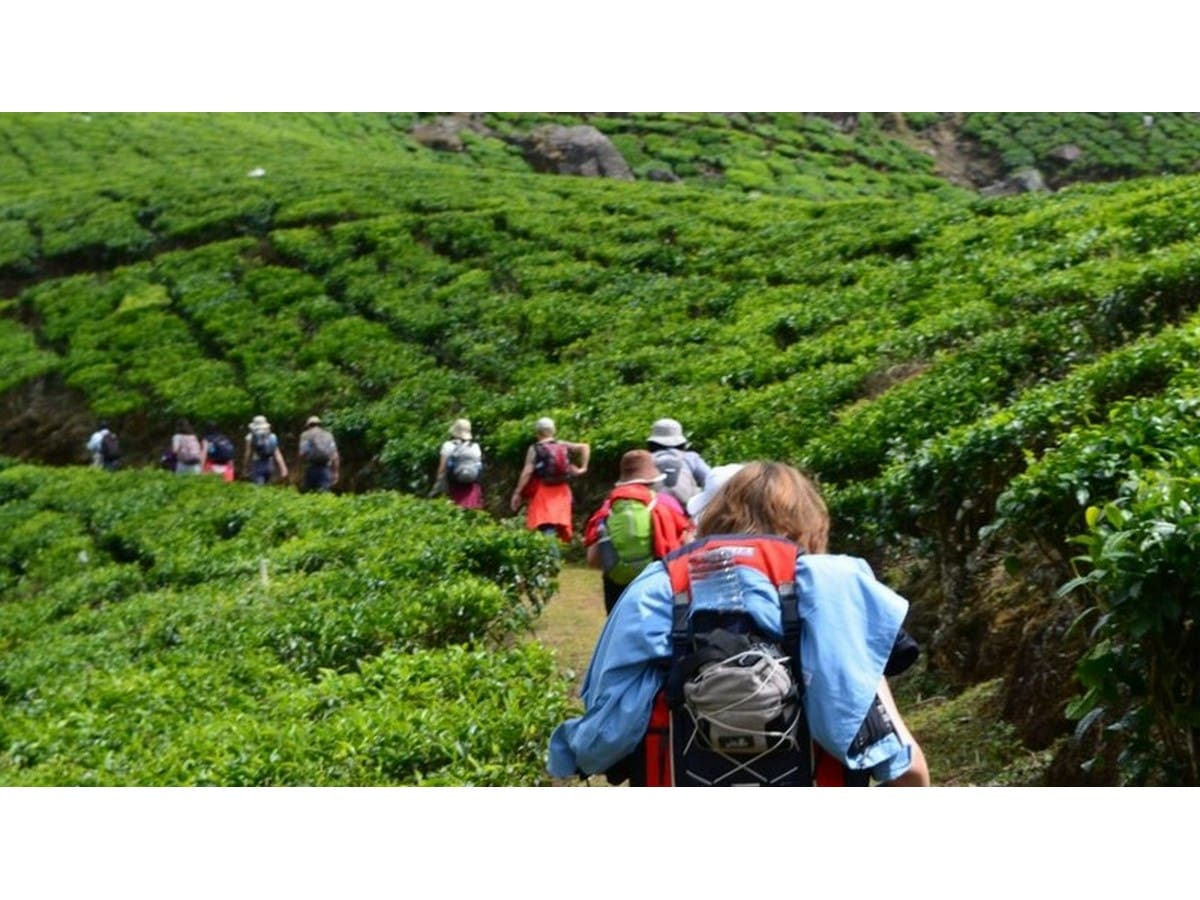
Walking routes in and around protected areas may be restricted according to park regulations and weather conditions. Use only officially authorised routes and check their current status before travelling. Unauthorised entry and trekking inside protected areas should be avoided.
Wear shoes with a strong grip, carry a waterproof bag, pack a light warm layer for higher altitudes and travel with an authorised local guide. A guide can help you choose a safer route based on the day’s weather rather than taking you to risky hidden trails.
4. Photography in the Rain
Rain, mist and low clouds can create atmospheric conditions for landscape photography in Munnar. The light immediately after a shower may reveal layers of hills, tea plantations and clouds that are less visible during heavy rain.
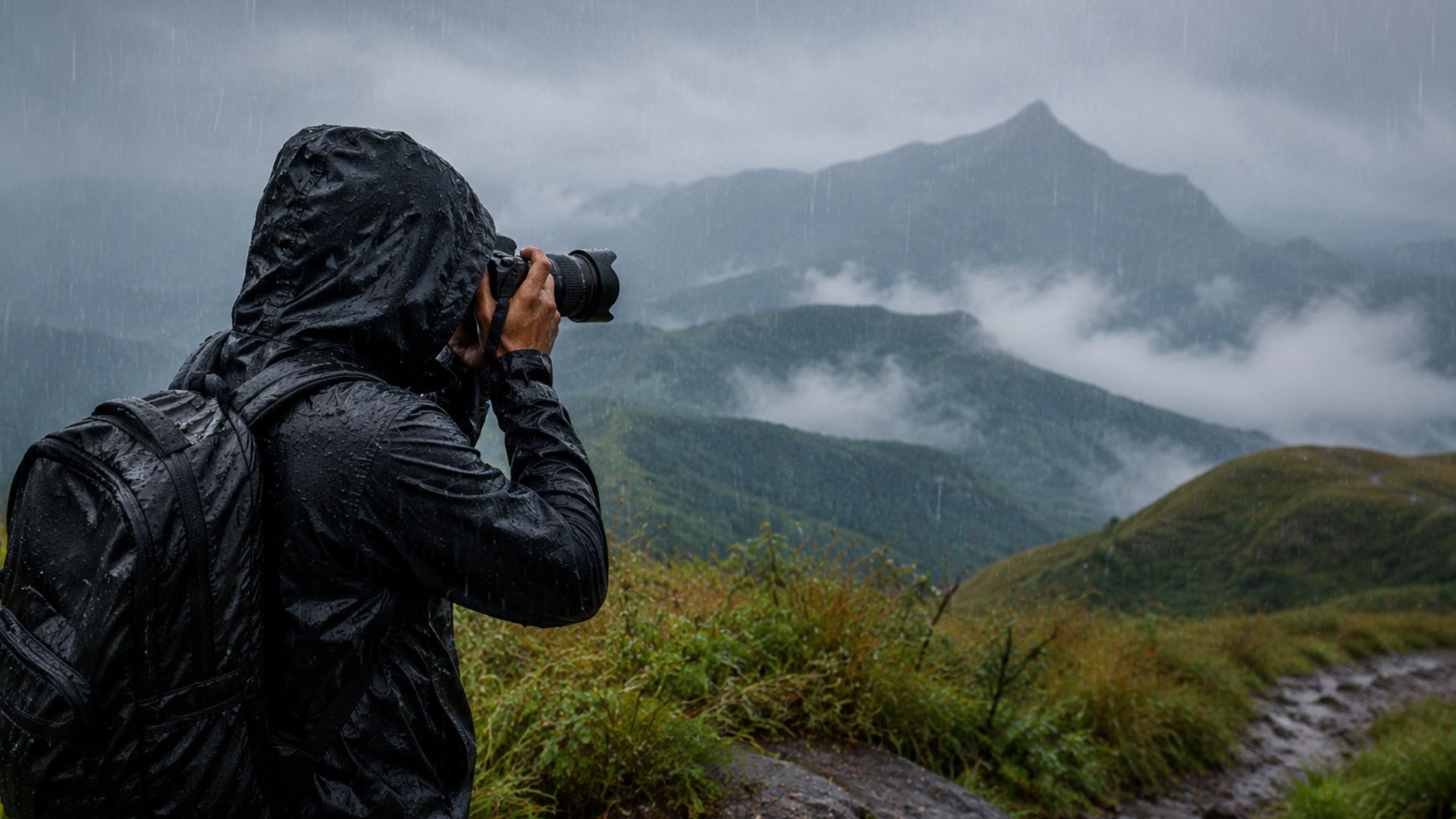
Early mornings can be especially atmospheric, with mist moving across the valleys and tea estates. However, fog may also block viewpoints completely, so keep your photography plans flexible.
Carry a waterproof camera cover or dry pouch, keep a clean lens cloth nearby and avoid changing lenses in exposed areas during rain. Never stand near waterfall edges, swollen streams or unstable roadside slopes to take a picture.
5. Experience Local Culture and Food
Rainy weather is a good reason to slow down and try Munnar’s local food and tea. Begin the day with a cup of freshly brewed tea or cardamom tea from a local café or roadside stall.
Popular Kerala dishes include appam with vegetable or chicken stew, puttu with kadala curry, dosa, idiyappam and traditional Kerala meals served with rice, sambar and vegetable curries. Appam is a traditional breakfast dish and is especially comforting during cool weather.
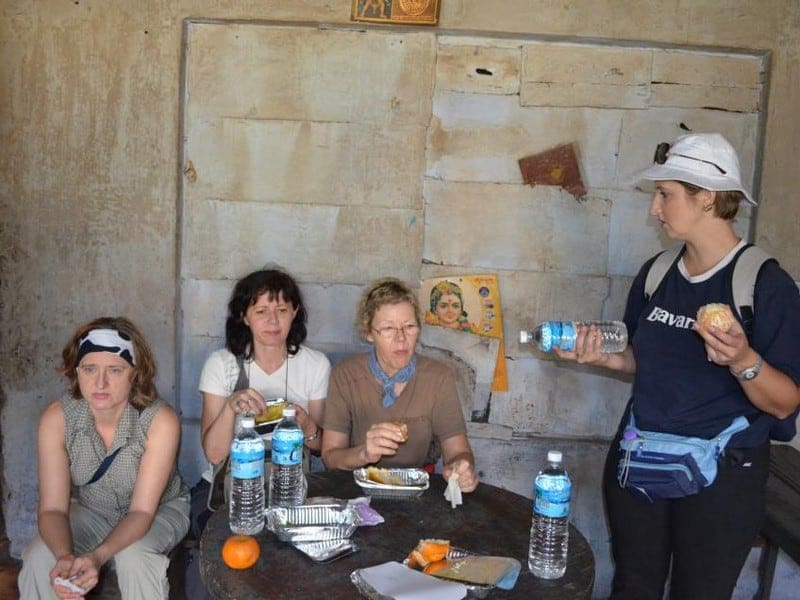
Between sightseeing stops, visit local tea shops for hot drinks and snacks. Handmade chocolates are also widely sold in Munnar town, although quality and ingredients can vary between shops.
6. Drive Through the Scenic Tea Garden Routes
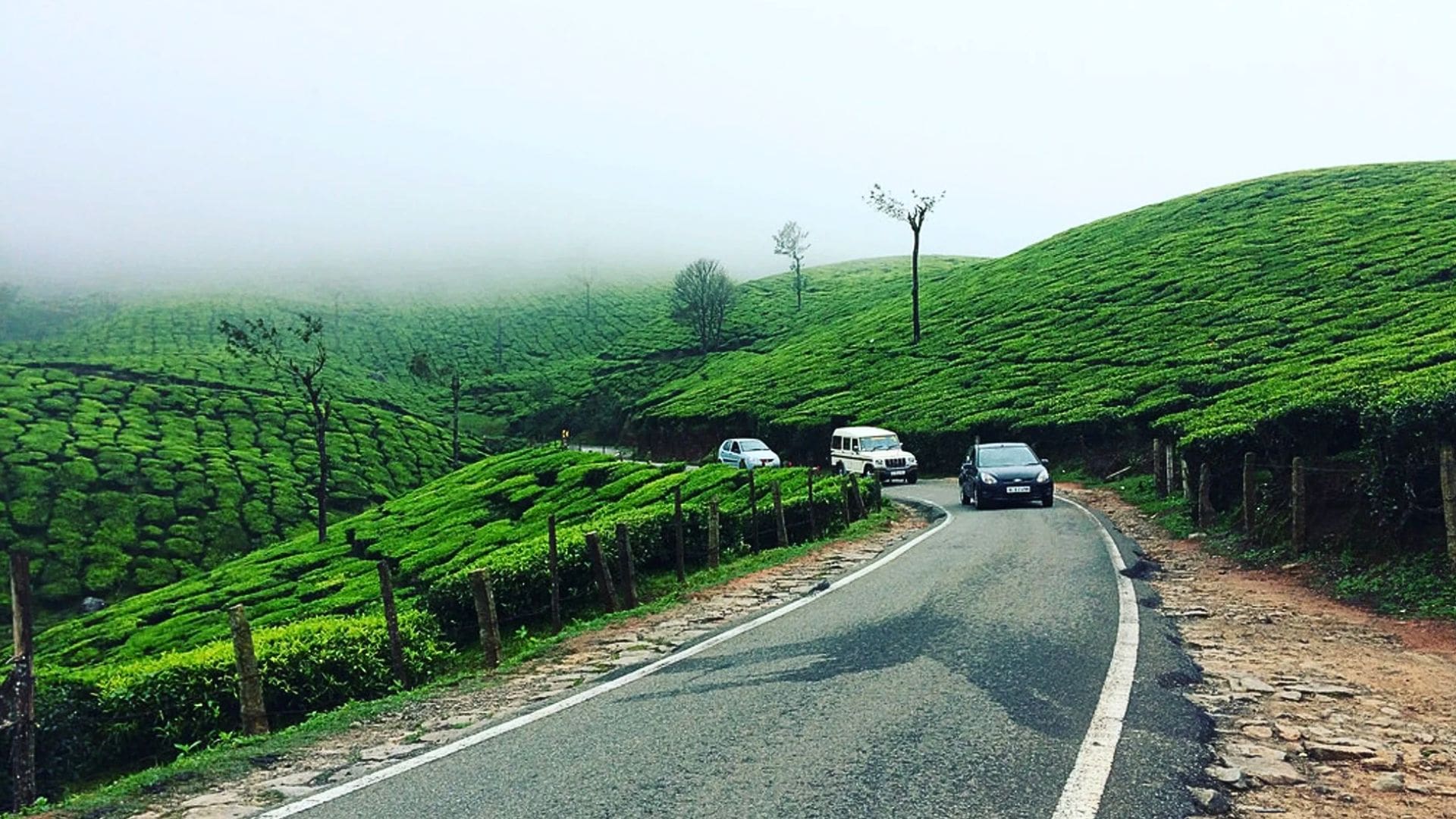
Short drives around Munnar can offer views of tea plantations, mist-covered slopes and seasonal waterfalls. Choose routes according to the day’s weather and avoid stopping on narrow bends or unstable roadside edges.
The Kochi-to-Munnar road is the main approach to the hill station rather than an entirely local tea garden route. Check the latest weather alerts and road conditions before leaving, begin the journey during daylight when possible and avoid unnecessary hill driving during heavy rain or poor visibility.
Drive slowly, use low beams in fog and follow local traffic or police instructions. Do not continue along a route that has been officially closed or restricted.
ALSO SEE- Planning a Munnar Family Trip? A Comfortable 3-Day Plan (No Treks)
7. Keep an Indoor Plan for Heavy-Rain Days
If sustained rain affects outdoor sightseeing, consider visiting a tea museum, joining a tea-tasting session, exploring shops in Munnar town or spending time at a local café. Confirm opening hours before leaving, as operating schedules may change during severe weather.
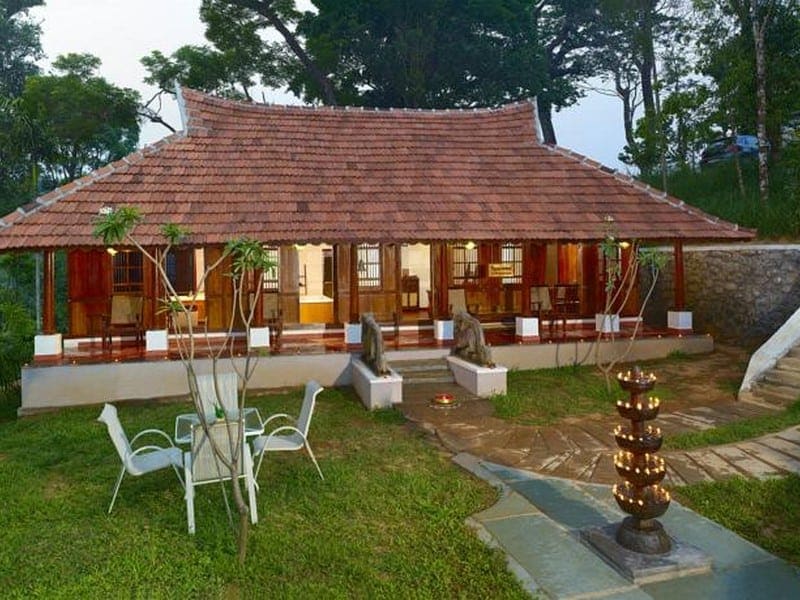
Travellers staying at a resort can also ask about suitable indoor activities such as cooking demonstrations, board games or supervised tea-tasting experiences. Avoid assuming that every attraction will remain open during a severe-weather warning.
Activities to Avoid or Postpone During Heavy Rain
- Postpone remote forest treks, steep paths and unguided trails during heavy rain.
- Avoid unnecessary drives on narrow hill roads when visibility is poor.
- Stay away from fast-flowing streams, waterfall edges, unstable slopes and closed viewpoints.
- Check the operating status of parks, viewpoints and other attractions before leaving your accommodation.
- Keep at least one indoor or low-risk backup activity in your itinerary.
Eravikulam National Park normally closes during the Nilgiri tahr calving season in February and March. Weather-related restrictions may also occur at other times, so check the official Eravikulam National Park website before visiting.
Where to Stay in Munnar During Monsoon
Choose an area based on road access, transport, nearby facilities and the type
of experience you prefer. Before booking, confirm that the property can be
reached safely during the rainy season and ask whether access roads are
regularly affected by heavy rain.
- Devikulam: A quieter area known for misty surroundings and accommodation away from central Munnar.
- Chinnakanal: Convenient for travellers interested in waterfalls, mountain views and scenic drives.
- Kolukkumalai area: A remote, high-altitude option where road access may be affected by heavy rain or poor weather.
- Munnar town: Convenient for shops, restaurants, taxis, medical facilities and indoor alternatives during sustained rain.
ALSO SEE- Which Area to Stay in Munnar Kerala
Essential Travel Tips for Munnar in Monsoon
Being prepared can make a monsoon trip safer, smoother and more enjoyable.
What to Pack
- Pack a waterproof raincoat or a sturdy wind-resistant poncho.
- Wear water-resistant footwear with a strong grip for wet and slippery surfaces.
- Carry a light sweater or windcheater for cool mornings and evenings.
- Use dry pouches or waterproof covers for phones, cameras and other electronics.
- Carry a compact umbrella for light showers and short stops.
- Pack insect repellent, any required medicines and a basic first-aid kit.
- Carry spare socks because footwear can remain damp after outdoor activities.
Before You Travel
- Check current weather alerts, road conditions and attraction updates before starting each day.
- Confirm that your accommodation and its access road are operating normally.
- Avoid booking properties in areas currently affected by landslides, flooding or official travel restrictions.
- Save your accommodation number, driver details and relevant local emergency contacts.
- Plan at least one indoor or low-risk activity for periods of sustained rain.
During Your Trip
- Avoid deep forest areas during heavy or continuous rainfall.
- Stay well away from swollen streams, strong currents and waterfall edges.
- Follow official weather advisories, warning signs and local safety instructions.
- Keep your itinerary flexible and postpone activities when conditions become unsafe.
- Avoid unnecessary travel after dark when rain or fog reduces visibility.
Frequently Asked Questions
Is it safe to visit Munnar during the monsoon?
Munnar can generally be visited during the monsoon with careful planning. However, avoid unnecessary travel during heavy rain and check current weather, landslide and road-condition updates before each journey. Follow local advisories and postpone activities when access is restricted.
Which month is best for monsoon travel to Munnar?
September is often one of the more convenient rainy-season months because rainfall generally begins to ease while the landscape remains green. Conditions vary each year, so lighter rain and clear views are not guaranteed.
Does it rain all day in Munnar?
Rainfall patterns vary. Some days have intermittent showers with clearer intervals, while active monsoon periods can bring prolonged or intense rain. Check the short-range forecast rather than relying only on monthly averages.
Are waterfalls accessible during the monsoon?
Some roadside waterfalls may remain accessible, but conditions can change quickly after heavy rain. Forest routes and paths near waterfalls may be restricted. Follow barriers and local instructions, and never approach swollen streams or slippery edges.
Is Eravikulam National Park open during the monsoon?
Eravikulam National Park normally closes during the Nilgiri tahr calving season in February and March rather than throughout the monsoon. Temporary weather-related restrictions may still occur, so check the official Eravikulam National Park website before travelling.
Can I go trekking in Munnar during the monsoon?
Short guided walks may be possible when the weather is mild and the route is officially open. Avoid remote, steep or unguided trails during heavy rain because paths can become slippery, visibility may fall and leeches may be present.
How many days should I spend in Munnar during the monsoon?
Around three days can provide enough time for major attractions while allowing flexibility for changing weather. Add an extra day when possible if your plans include several outdoor activities.
Are hotels cheaper during the monsoon in Munnar?
Hotel rates may be lower during the rainy season than during the busiest winter months. However, discounts vary by property, weekday, booking date and local demand, so compare current prices before reserving.
What is the temperature in Munnar during the monsoon?
Temperatures are generally cool during the monsoon, but they vary by month, elevation, rainfall and time of day. A single temperature range may not accurately represent every part of Munnar because higher locations can feel considerably cooler than the town.
Check the latest IMD Kerala forecast for your travel dates and carry a light warm layer for cool mornings, evenings and post-rain periods.
Munnar in Monsoon – Official Sources for Live Updates
- Kerala Tourism: Monsoon season information
- India Meteorological Department: Kerala forecasts and warnings
- Kerala State Disaster Management Authority: Current warnings
- Official Eravikulam National Park website
The Honest Verdict
Visiting Munnar during the monsoon suits travellers who value misty scenery, lush tea estates, powerful waterfalls and a slower atmosphere. It is less suitable for visitors who require clear viewpoints, uninterrupted road travel or a fixed outdoor itinerary. Keep your itinerary flexible, monitor official advisories and be prepared to replace outdoor activities when heavy rain
affects access.
Planning a Kerala Trip? Get Expert Help Building Your Itinerary

Leave a Reply